
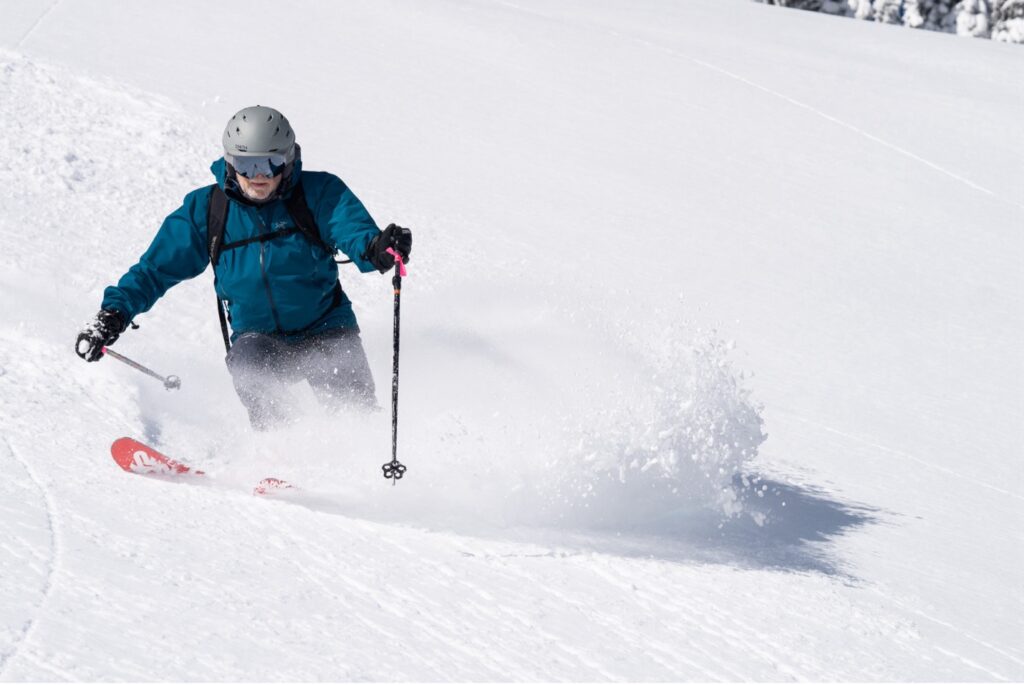
As I pack my bags for a ski trip to Utah, I can already picture the mountains—fresh powder, crisp air, and the anticipation of carving perfect turns. Pure joy! (That’s me in the Canadian backcountry a few years ago.)
Skiing is second nature to me, but every run presents new challenges. Quick thinking is needed to deal with the changing snow conditions, unexpected obstacles, and shifting terrain.
Sound familiar? Selling in a tough market isn’t so different.
Right now, many B2B sales teams are facing steep, icy slopes. Budgets are tighter, deals take longer, and competition is fierce. But just like skiing, selling in difficult conditions requires strategy, awareness, and the ability to adjust.
Here are three lessons from the mountain that can help your salespeople navigate rough terrain.
1. Look Ahead to Plan Your Route
One of the first things I learned as a skier was to keep my eyes ahead. Focusing too much on what’s directly in front of you—rather than anticipating the next few turns—can lead to bad decisions and wipeouts.
The same principle applies in sales. If your salespeople react to the market instead of anticipating shifts, they’re always playing defense.
Challenge them to take a fresh look at their territories. Are there emerging market segments with budgets that could use your solution? Are they relying too much on existing buyers instead of seeking new prospects?
Help them map out opportunities like a ski run—know where the moguls are and where you can carve cleanly.
2. Adapt to Changing Conditions
On the mountain, no two runs are exactly alike. One day, the snow is soft and forgiving, and the next, it’s bulletproof ice. The best skiers don’t fight the conditions; they adjust their technique.
In sales, markets change, decision-making processes shift, and old playbooks don’t always work.
If the usual strategies aren’t working, try something different. Shorten sales cycle by offering smaller, lower-risk solutions. Focus on customer issues that have become more urgent in tough times.
Just like adjusting your edge angle in icy conditions, tweaking your approach can mean the difference between sliding out and staying in control.
3. Know Where the Good Snow Is
Experienced skiers know which slopes to avoid in bad conditions and where to find the best snow. Likewise, great salespeople recognize where the real opportunities lie.
Are there neglected accounts that could grow with the right attention? Are there customers struggling with inefficiencies that your product could fix? Find those “good snow” areas and put your energy there.
Skiing and selling both require agility, awareness, and confidence. If your team is struggling in this market, don’t keep forcing the same approach. Read the terrain, adjust your technique, and regain momentum.
The ones who do will make it down the mountain not just safely but ahead of the competition.
What adjustments have you made in your sales approach lately? Let’s discuss!